











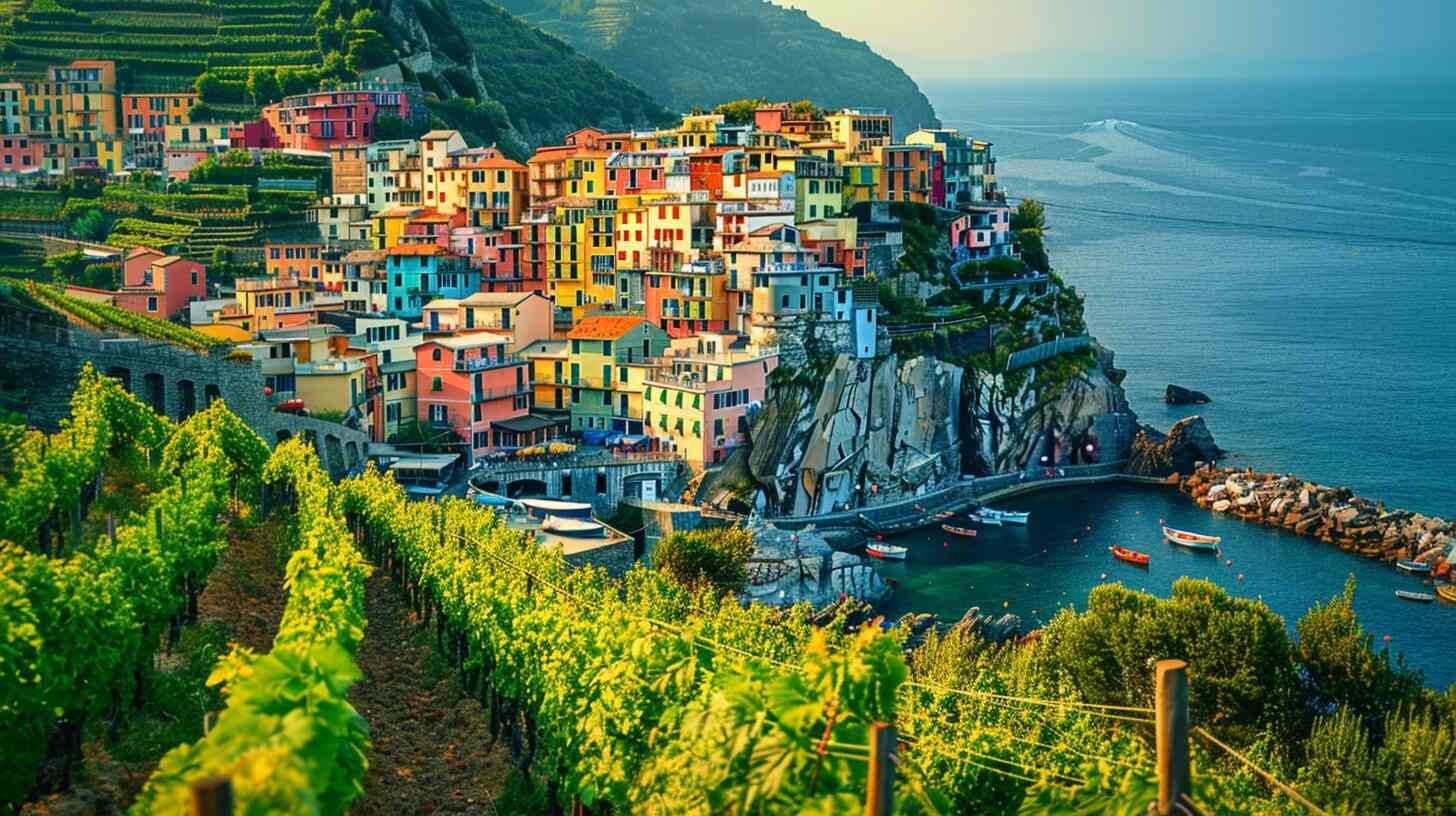
The Evolution of Eco-Tourism: Trends and Innovations
Eco-tourism, once a niche market catering to environmentally conscious travelers, has grown into a mainstream global movement. As the world grapples with the effects of climate change, habitat destruction, and loss of biodiversity, eco-tourism offers a way to explore the world responsibly, minimizing our environmental footprint while promoting conservation efforts. This blog explores the trends and innovations shaping the future of eco-tourism.
The Rise of Eco-Conscious Travelers
The modern traveler is increasingly aware of the impact their journeys have on the planet. This awareness has fueled the demand for sustainable travel options, and eco-tourism is at the forefront of this movement. Unlike traditional tourism, which often prioritizes convenience and luxury, eco-tourism emphasizes the importance of protecting natural habitats, supporting local communities, and reducing carbon emissions.
Key Trends in Eco-Tourism
Community-Centric Experiences: Today's eco-tourists seek authentic experiences that connect them with local cultures and communities. Instead of staying in chain hotels, they prefer eco-lodges, homestays, and community-run guesthouses. This trend supports local economies, ensures that tourism revenue benefits the community directly, and fosters cultural exchange.
Low-Impact Travel: Reducing carbon emissions has become a priority for eco-conscious travelers. As a result, there is a growing preference for low-impact travel options. This includes choosing destinations that can be reached by train or bus instead of flying, as well as opting for activities that don't harm the environment, such as hiking, cycling, and kayaking.
Conservation Tourism: A key element of eco-tourism is the focus on conservation. Many eco-tourism destinations are located in protected areas, such as national parks, wildlife reserves, and marine sanctuaries. By visiting these areas, travelers contribute to the preservation of ecosystems and the protection of endangered species. Some eco-tourism initiatives even offer opportunities for travelers to participate in conservation efforts, such as tree planting, wildlife monitoring, and habitat restoration.
Green Accommodations: Sustainability has become a priority for many hotels and lodges. From using renewable energy sources to reducing waste and conserving water, green accommodations are designed to minimize their environmental impact. Many eco-lodges also use sustainable building materials, such as bamboo or recycled wood, and are built to blend in with the surrounding environment, reducing their visual impact on the landscape.
Technology Integration: The advent of technology has also played a role in the evolution of eco-tourism. Mobile apps and websites now offer travelers the ability to offset their carbon emissions, find sustainable travel options, and even calculate their environmental impact. Virtual reality (VR) tours are becoming a popular way for travelers to explore destinations without leaving a carbon footprint, offering an eco-friendly alternative to traditional travel.
Innovative Approaches in Eco-Tourism
Regenerative Tourism: While traditional eco-tourism focuses on minimizing damage, regenerative tourism goes a step further by aiming to restore and regenerate the environment. This approach encourages travelers to leave a destination better than they found it. For example, some tours may include activities like reforestation projects, coral reef restoration, or cleaning up polluted areas.
Agro-Tourism: Agro-tourism combines travel with agricultural experiences, offering visitors a chance to learn about sustainable farming practices. This type of eco-tourism can take many forms, from staying on organic farms to participating in farm-to-table cooking classes. Agro-tourism not only promotes sustainable agriculture but also helps to preserve rural traditions and landscapes.
Slow Tourism: Slow tourism emphasizes quality over quantity, encouraging travelers to spend more time in one place and immerse themselves in the local culture. This approach reduces the environmental impact of frequent travel and fosters a deeper connection with the destination. Slow tourism often involves activities like walking tours, cooking classes, and cultural workshops, allowing travelers to experience a destination at a more leisurely pace.
Eco-Friendly Cruises: While cruises have long been criticized for their environmental impact, a new wave of eco-friendly cruises is changing the game. These cruises use advanced technology to reduce emissions, conserve water, and minimize waste. They also focus on responsible tourism practices, such as avoiding sensitive ecosystems and supporting local communities.
The Future of Eco-Tourism
The future of eco-tourism lies in the hands of both travelers and industry leaders. As the demand for sustainable travel continues to grow, it is essential for tourism operators to innovate and adapt. By embracing new technologies, promoting conservation, and prioritizing community engagement, the eco-tourism industry can play a crucial role in protecting the planet for future generations.
In conclusion, eco-tourism has evolved from a niche market to a global movement, driven by a growing awareness of environmental issues and a desire to travel more responsibly. With trends like community-centric experiences, low-impact travel, and conservation tourism, eco-tourism offers a way for travelers to explore the world while minimizing their environmental footprint. By embracing innovative approaches like regenerative tourism, agro-tourism, and eco-friendly cruises, the future of eco-tourism looks promising, offering hope for a more sustainable and responsible travel industry.