











A Comprehensive Guide to Baby's Health: Essential Tips for New Parents
Welcoming a newborn into your family is an exciting and life-changing experience. Ensuring your baby’s health and well-being is a top priority for all new parents. This guide provides essential tips and advice on maintaining and promoting your baby’s health from birth through their early years.
Understanding Your Baby’s Health Needs
1. Nutrition
The foundation of your baby’s health starts with proper nutrition. For the first six months, exclusive breastfeeding is recommended as it provides all the essential nutrients and antibodies needed for your baby’s growth and immune system. If breastfeeding isn’t possible, consult your pediatrician to choose the best formula.
As your baby grows, introduce solid foods around six months, focusing on a variety of fruits, vegetables, and iron-rich foods. Always monitor for any signs of food allergies or intolerances.
2. Regular Pediatric Checkups
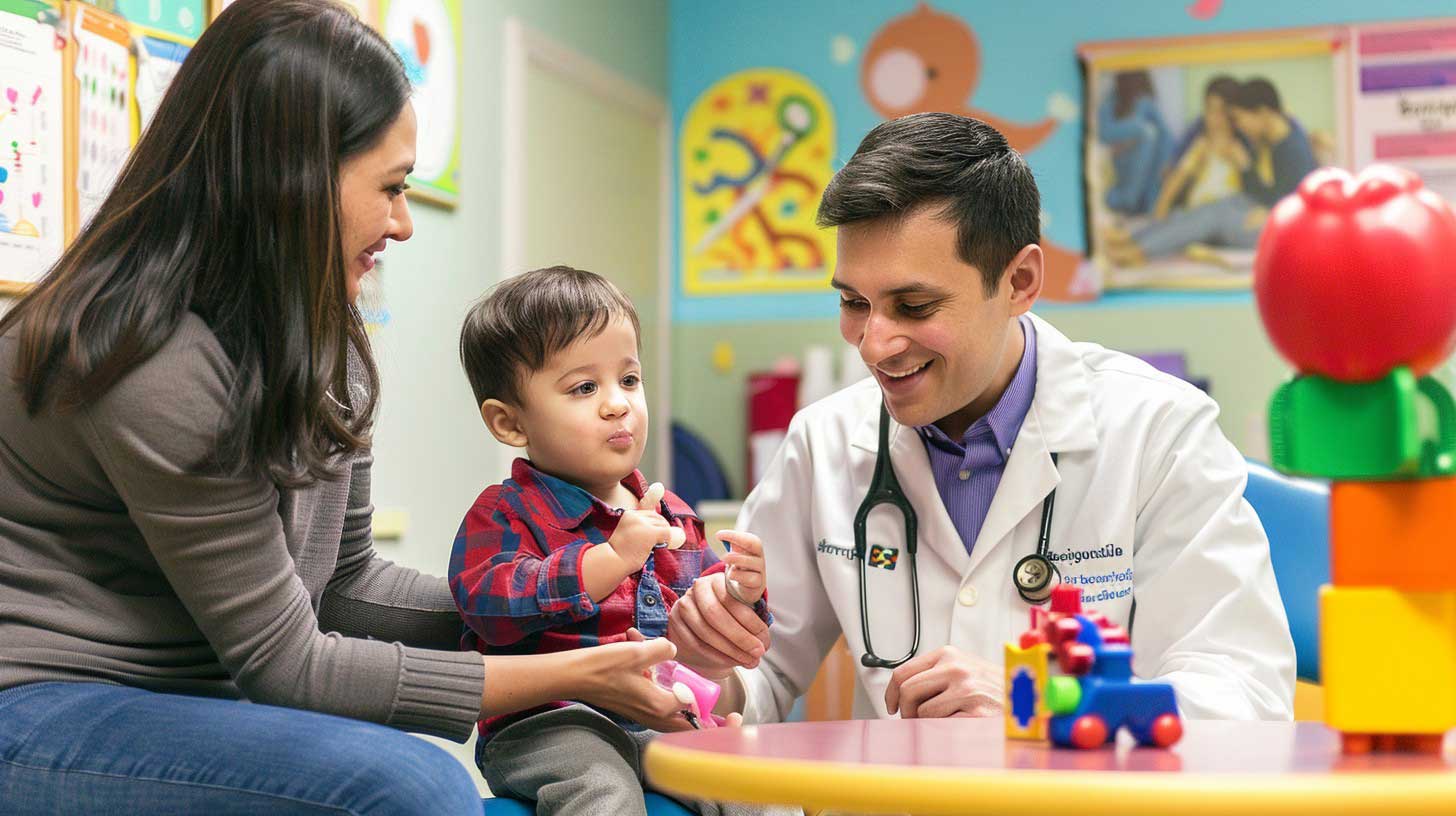
Frequent visits to a pediatrician are crucial for monitoring your baby’s development and preventing potential health issues. Regular checkups will include vaccinations, which protect your baby from various serious diseases. Stay up-to-date with the recommended vaccination schedule to ensure your baby is well-protected.
3. Sleep Patterns
Newborns sleep a lot, but establishing a healthy sleep routine can be beneficial. Aim for a consistent sleep environment and schedule to help your baby develop good sleep habits. Always place your baby on their back to sleep, and avoid using pillows, blankets, or stuffed animals in the crib to reduce the risk of Sudden Infant Death Syndrome (SIDS).
4. Physical Activity
Even though babies are not yet mobile, tummy time is crucial for their physical development. It helps strengthen their neck, shoulder, and arm muscles. As your baby grows and starts to crawl or walk, ensure they have a safe space to explore and develop their motor skills.
5. Dental Health
Baby teeth begin to emerge around six months. Start cleaning your baby’s gums with a soft, damp cloth and, once teeth appear, use a small, soft-bristled toothbrush. Establishing good oral hygiene early on is important for preventing cavities and promoting healthy dental development.
6. Hygiene and Skin Care
Baby’s skin is delicate, so use gentle, hypoallergenic products to avoid irritation. Regularly bathe your baby with mild soap and moisturize their skin to prevent dryness. Always keep their nails trimmed to prevent scratching and ensure their environment is clean and safe.
7. Emotional and Social Development
A baby’s emotional and social development is just as important as their physical health. Engage with your baby through talking, reading, and singing to foster bonding and cognitive development. Social interactions with family members and other babies also play a key role in their emotional growth.
8. Safety Measures
Baby-proof your home to create a safe environment. Secure furniture, cover electrical outlets, and keep small objects out of reach. Always use car seats correctly and ensure your baby is securely fastened during travel. Safety is crucial in preventing accidents and ensuring your baby’s well-being.
SEO Tips for Parents: Keywords to Use
When creating content related to baby health, consider incorporating the following keywords to optimize your blog for search engines:
- Baby nutrition tips
- Pediatric checkups and vaccinations
- Baby sleep patterns and routines
- Tummy time benefits
- Dental care for babies
- Baby skin care products
- Emotional and social development in infants
- Home baby safety tips
Conclusion
Ensuring your baby’s health involves a combination of proper nutrition, regular medical care, a safe and stimulating environment, and good hygiene practices. By staying informed and proactive, you can help your baby grow and thrive in a healthy and nurturing environment. Remember, every baby is unique, so always consult with your pediatrician for personalized advice and support.
Feel free to share this guide with other parents and caregivers to spread awareness and promote healthier, happier babies.