











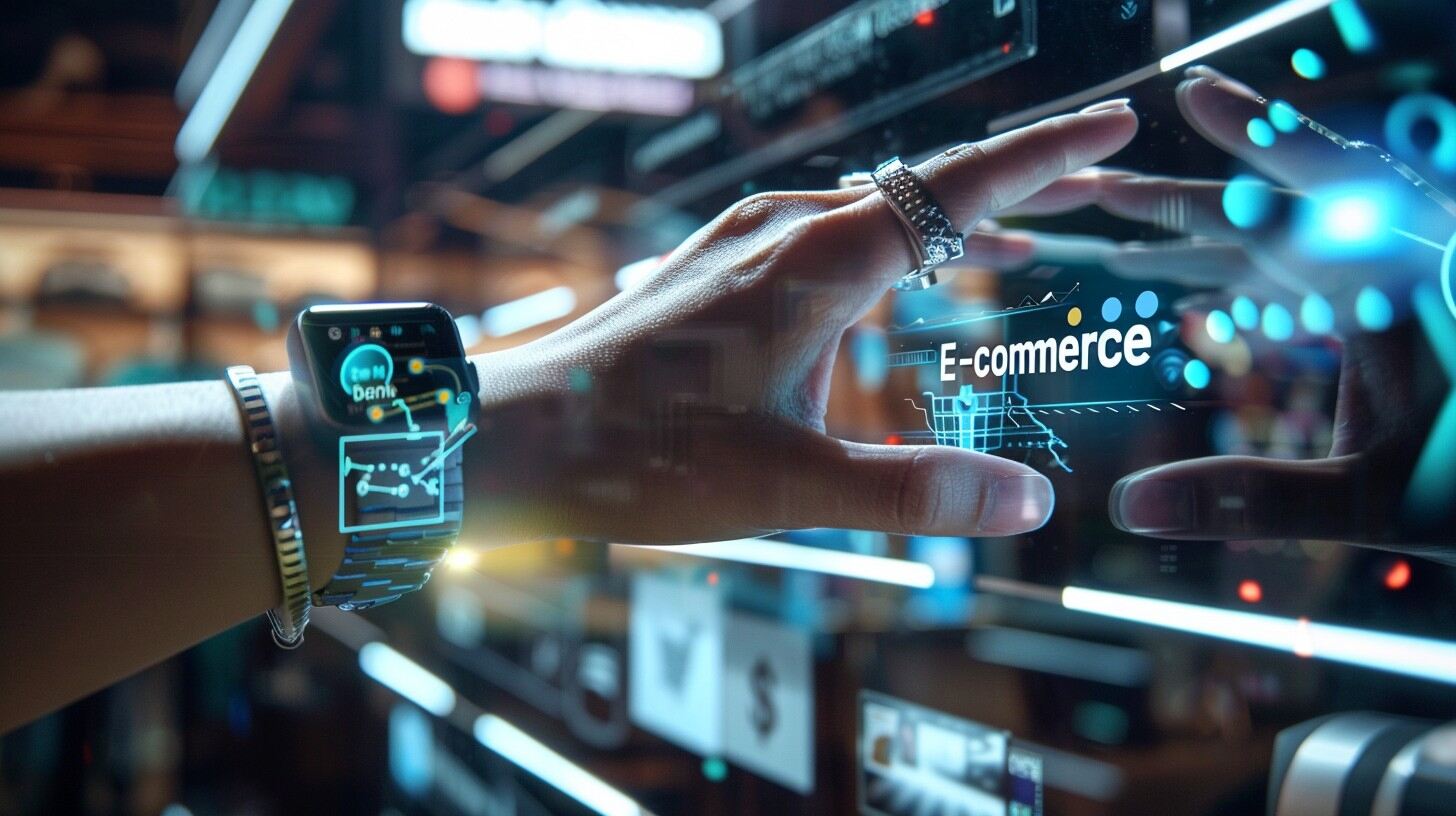
The Future of E-Commerce: Innovations and Trends Shaping Online Shopping
E-commerce has very much changed in the last ten years, starting as a mere substitute of bricks-and-mortar shopping, to dominating as an international market. As the digital era progresses, innovation as well as trends will impact the e-commerce. In this blog, we highlight some of the existing trends and how they might revolutionize e commerce as we know it today.
1. Artificial Intelligence and Machine Learning and Their Gender Interactions
Artificial intelligence (AI) and machine learning (ML) are changing the game in terms of how e-commerce is done. AI system algorithms can learn and understand customer habits, interests, and previous purchases and make a recommendation, adjust prices, or advertise a product. For instance, AI bots come in handy to provide assistance to the customer and help them to make a purchase at the right time. Furthermore, we can observe even greater development of these technologies, which means E-commerce will be more responsive and intelligent than it is today.
2. Augmented Reality (AR) and Virtual Reality (VR)
A common concern that people have when shopping online is the lack of an opportunity to see and feel the item that they wish to purchase. People now shop and buy things without touching any physical objects because of technology, specifically Augmented Reality (AR) and Virtual Reality (VR). AR makes it possible for customers to see how clothes would look on them or how furniture would fit in their room through a smartphone. They are both able to use their smartphones or tablets to interact with the products they are interested. VR on the other hand has virtual showrooms where clients can visit and interact with the products they’re interested in. These technologies, as they become more widespread in society, will transform the process of purchasing items on the internet, making it more interesting and captivating, as well as allowing for greater interactivity.
3. Voice Commerce
Another factor that is driving the possibility of this scenario to becoming a reality is smart speakers, as well as other hands-free devices that allow for shopping via Alexa, Google Assistant, Siri and so forth. Voice commerce and voice-activated transactions, where things can be added to shopping carts, ordered and purchased all with just the sound of the voice, do not use any conventional means that people are use to. Such an ability would be incredibly useful for making purchases as voice recognition technology improves and becomes more advanced. Lots of people do all these activities, including searching for products, placing orders, and adding things to their shopping lists, using their voices. A number of businesses are already optimizing their platforms to include such features as voice and many of them will benefit tremendously in this industry.
4. Sustainable Shopping
There is growing commitment among consumers as well as retailers to incorporate sustainability in most of the elements in their business. Eco-friendly items and sustainable practices are apparently changing the dynamics of the e-commerce business. Brands that have eco-conscious customers are now using green packaging, ethical sourcing, and carbon-neutral shipping options. Furthermore, businesses are promoting sustainable practices with their products by embedding these values into their brand stories and marketing responsible consumption. It can be said that these companies will be looking forward to more green practices by the companies they are doing business with.
5. Mobile Commerce and Progressive Web Apps (PWAs)
Another component that seems to be growing gradually but very aggressively is the concept of Mobile commerce, which is prompting trends like shopping directly from smartphones. To make the mobile shopping experience more mobile friendly for consumers, businesses are investing in Progressive Web Apps (PWAs). PWAs combine the best of both worlds – websites and mobile applications to ensure that the websites load faster, can be used offline, and allow users to enjoy the experience without having an app installed. As mobile shopping becomes a standard, the availability of PWAs will ensure that the shopping experience is seamless and efficient especially in countries with a slower internet speed or poor internet infrastructure.
6. Blockchain and Cryptocurrency
The adoption of blockchain technology may potentially revolution the e-Commerce industry by providing a secure, transparent and decentralized means of doing transactions. Further, it has abilities in making payments seamless, minimizing transactions and fraud, and enhancing transparency in the supply chain. Additionally, more people are beginning to adopt cryptocurrencies as a means of payment which offers them more options and means of financial access. The more the blockchain technology matures, the more the technology will embellish the e-commerce space by securing transactions and securing the trust of customers in online purchases.
7. Subscription Services
The stepping stone to this transformation of e-commerce are subscription models based. They include, beauty boxes and meal kit deliveries among others. These services afford consumers convenience, personalization and a sense of surprise that comes as consumers would be receiving novel products each time. The increase in trends to reduce the hassle in securing these items consistently is what is fueling these changes. With more companies now utilizing subscription models, we anticipate advances in customization along with the provision of flexible subscriptions to meet the expectations of more consumers.
8. Social Commerce
The growth of social media is considerable but falls as an innovative low-cost strategy that moves every e-commerce site closer to the social network. New developments make it feasible for users to see and buy products without needing to leave the app, including shoppable posts, live streams of selling events, and in-app checkout features. Social commerce, which is already expanding, will be a significant focus of e-commerce in the future especially on the younger audiences who are more likely to use the apps such as Instagram, TikTok, and Facebook for hours on end.
9. Same-Day Delivery and Micro-Fulfillment Centers
Because of high competing pressures for customer satisfaction in relation to delivery, many retailers have begun to provide same day to one hour delivery services. In a more urbanized environment, micro-fulfillment centers serve retailers by enabling quick order fullfillment and inventory storage. These small automated mobile warehouses are changing the e-commerce business model of logistics by decreasing the delivery time and enhancing the customer experience. In the future, it’s reasonable to presume that same-day delivery for the customers will be the common case, as companies are making large amounts of money investing in logistics and Therefore Delivery Infrastructure.
10. Buying Ethically & Inclusively
Across the world, more and more consumers are open to adopting brands that deal with fair labor process, support the LGBTQ component and positively associate with social causes. There is a rise in ethical and inclusive buying as brands are making an effort to communicate these values. Ecommerce sites that engaged in ethical sourcing, diversity and openness will find favor with customers who concern about these issues and their number will keep increasing. Customers are gradually beginning to shop with a purpose in mind, in order to find brands they believe in and that contribute positively to the society.
Conclusion
The most striking feature of e-commerce is the fact that it is constantly changing due to technology progress and rethinking of consumer habits. In the case of keeping timing with these patterns, companies will have a great chance of succeeding in today’s evolving world of online commerce. With the integration of innovations such as AI and AR, voice commerce and sustainability, the ecommerce sector will transform and become better, faster and more relevant to customers around the world.
It is undeniable that the world of e-commerce will undergo radical changes as we enter the next chapter in its history. A distinctive combination of technology and creativity that understands the customer will be the driving force behind those changes in online shopping.
Explore: Wati’s Comprehensive Solutions and Affiliates Program